

Poker, baccarat-style play, and mod-10 “closest to 1”—each tuned for throughput and a common pot.
specialty games
per table per hour estimate
player pool
Each game is specifically designed for California card rooms: non-banked play, pooled wagers, and a time-based revenue model. For Poker and Baccarat, click a title or View proposal (PDF) to open the brief. Use Play the Demo to open each live game in a new tab. Surfbreak Any-1™ includes full rules on this page below.
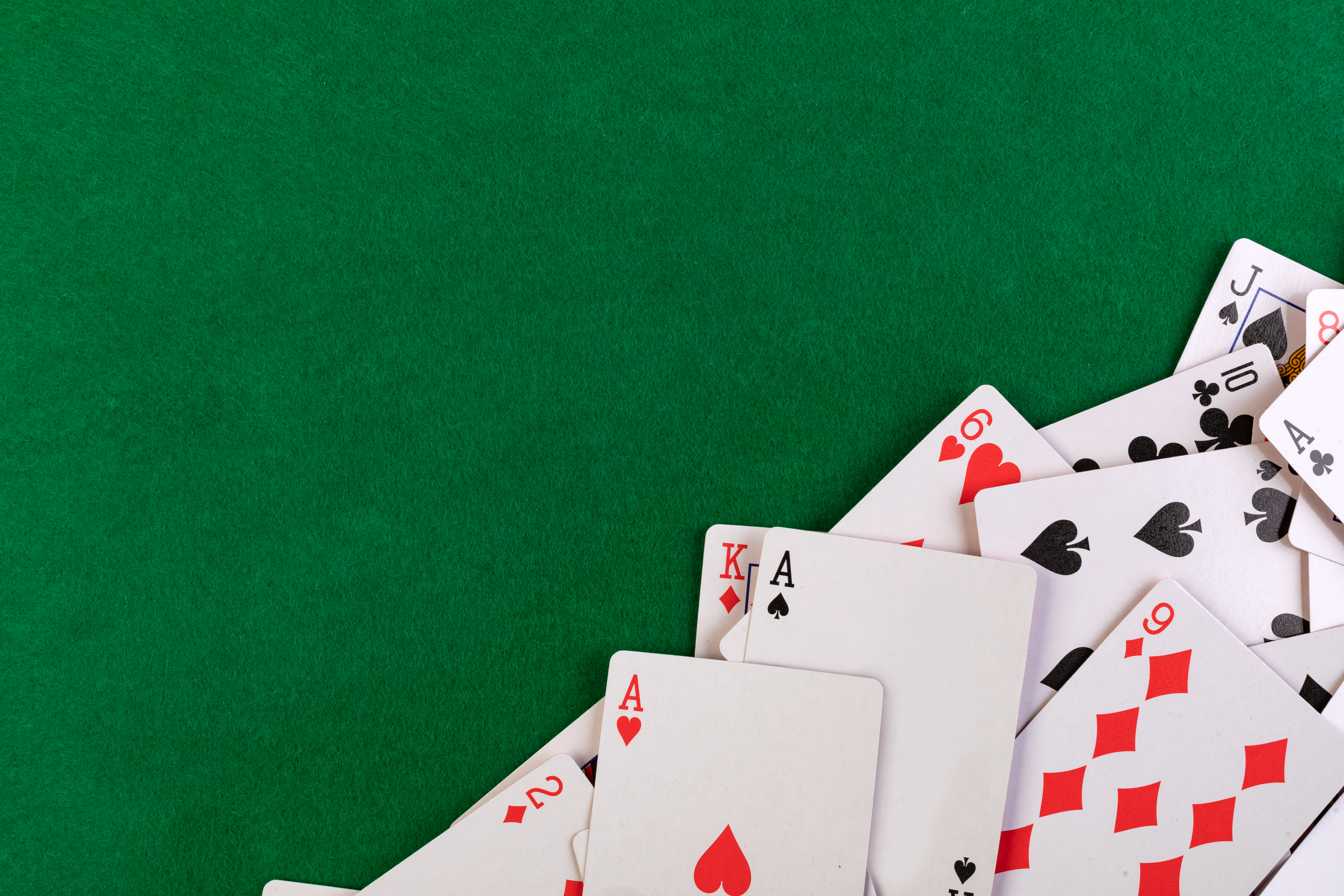
Non-banked, player-funded game vs. a neutral dealer hand for a shared pot. Scores use the last digit of the card sum (mod 10); the target is 1, ties go to the player. Built for California card room workflows.
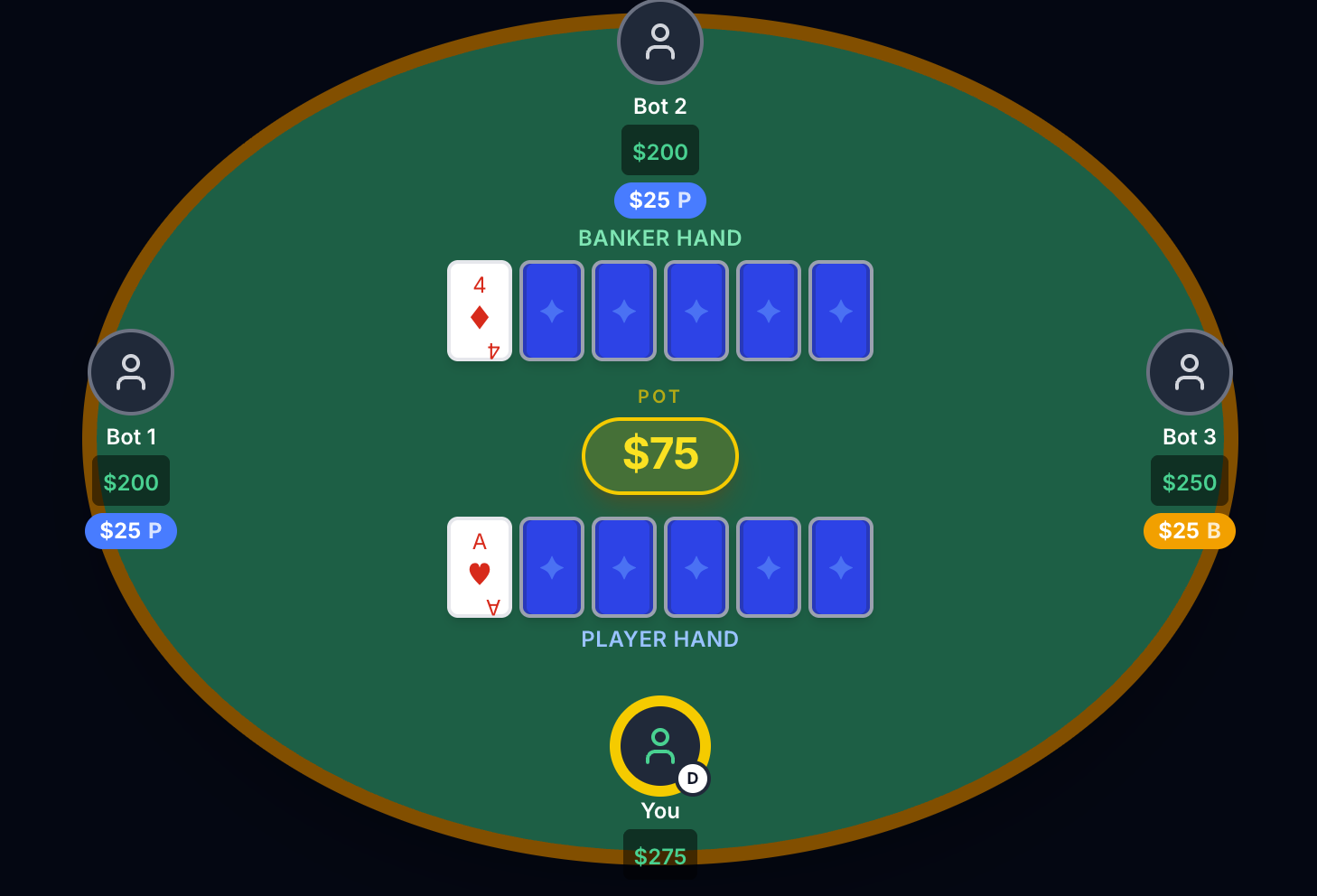
Player vs. banker pooled poker: two six-card hands, one upcard each, sequential betting with an optional raise round—then reveal and split the pot. Built for blackjack-paced turnover with baccarat-simple sides.
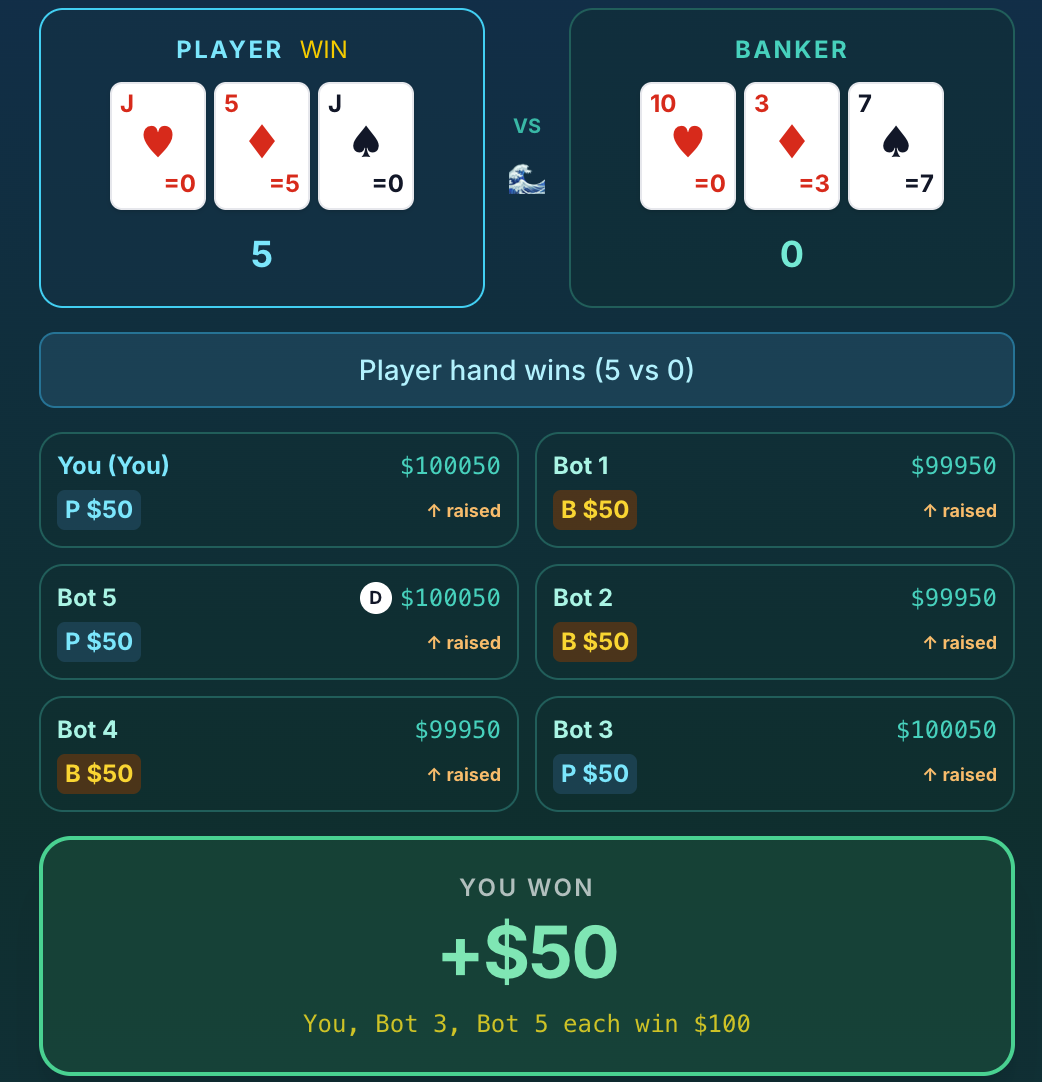
Standard baccarat draw rules with player-versus-player staking: two rounds of equal unit bets on Player or Banker, check or raise, then reveal. Ties push; pot splits in whole units with carry for the room’s pooled format.
Surfbreak Any-1 is a non-banked, player-funded card game where players compete against a neutral dealer hand for a shared pot. The objective is a score closest to 1 using modulo-10 scoring (last digit of the card sum, as in baccarat). There is no traditional “bust”—totals wrap through 0–9. Play the live demo at any1.surfbreakgames.com. Copyright © 2026 Surfbreak Games, LLC.
Add card values, keep only the last digit (mod 10), and compare to 1. For example, hands totaling 11 and 31 both score 1 and tie each other.
Card values: Ace = 1; 2–10 = face value; J, Q, K = 10.
Examples
Example 1:
6 + 5 = 11 ⇒ Score = 1
Example 2:
9 + 7 = 16 ⇒ Score = 6
Example 3:
10 + 10 + 10 = 30 ⇒ Score = 0
Initial deal: Each player posts an ante. One player has the dealer button (as in poker); the first card goes to the left of the button. The dealer gives two face-up cards to each player in clockwise order, then one face-up and one face-down to the dealer hand.
Sample layout
Player
Dealer
Player draw example: With 4♥ 8♠, drawing 9♣ gives 4 + 8 + 9 = 21 ⇒ Score = 1.
Sample outcome: Player 6♥ 5♠ ⇒ score 1 (player wins). Dealer 9♦ 3♣ K♠ ⇒ 9 + 3 + 10 = 22 ⇒ score 2.
Layout: common player betting area (the pot), dealer hand area, seven player hand areas, seven seat-fee collection areas.
Equipment: standard 52-card deck, chips, dealer button, drop box for seat fees.
This model produces revenue from time spent at the table, not house edge, while preserving fast-paced gameplay in a non-banked structure.
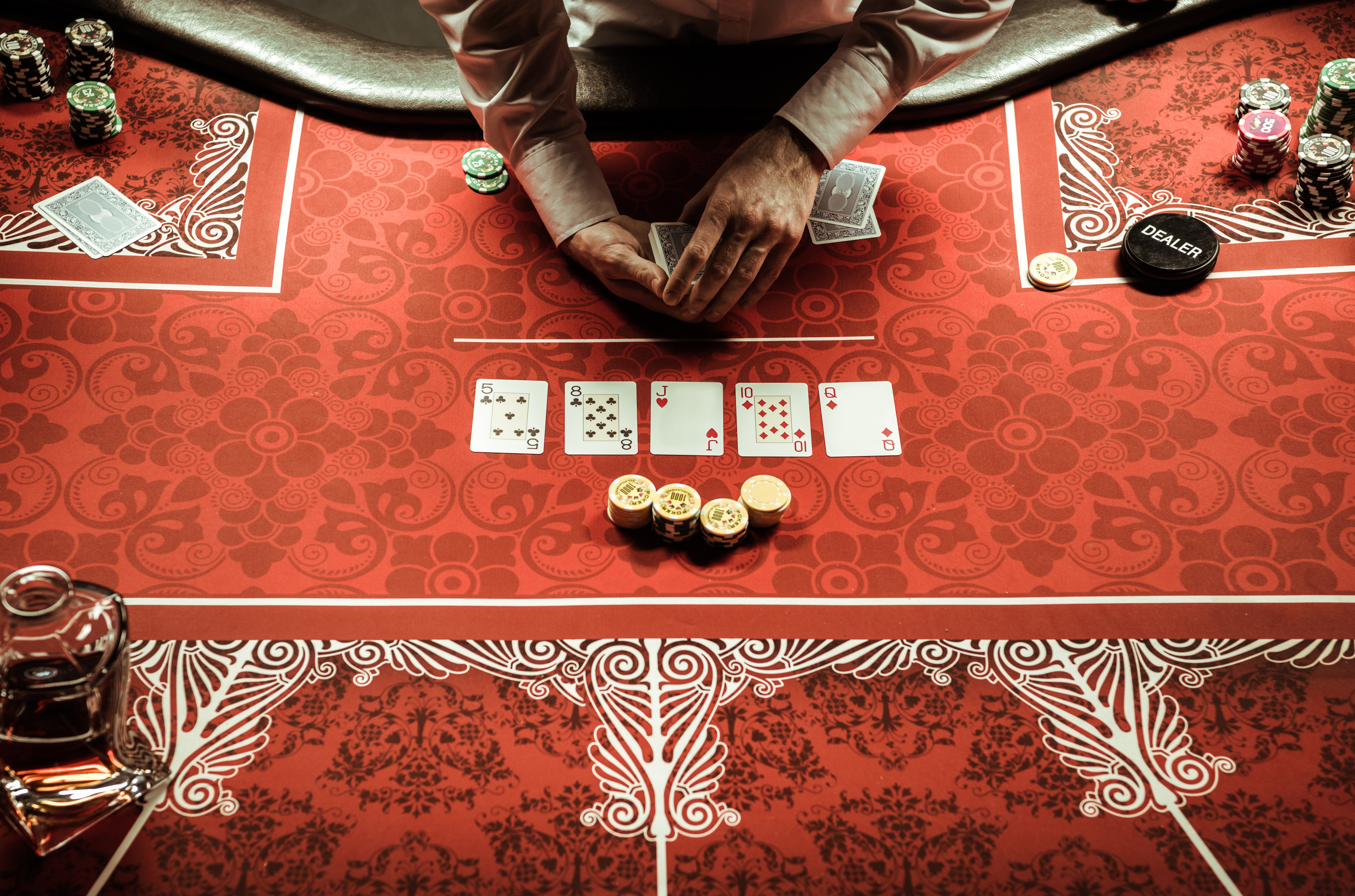
Short betting rounds and frequent small wins help players stay active longer, which supports more table time and steadier room revenue.
Visible information and fixed bet sizes support quick decisions—similar to blackjack and baccarat cadence.

Players weigh card strength against how crowded each side is—especially in pooled Player/Banker formats.
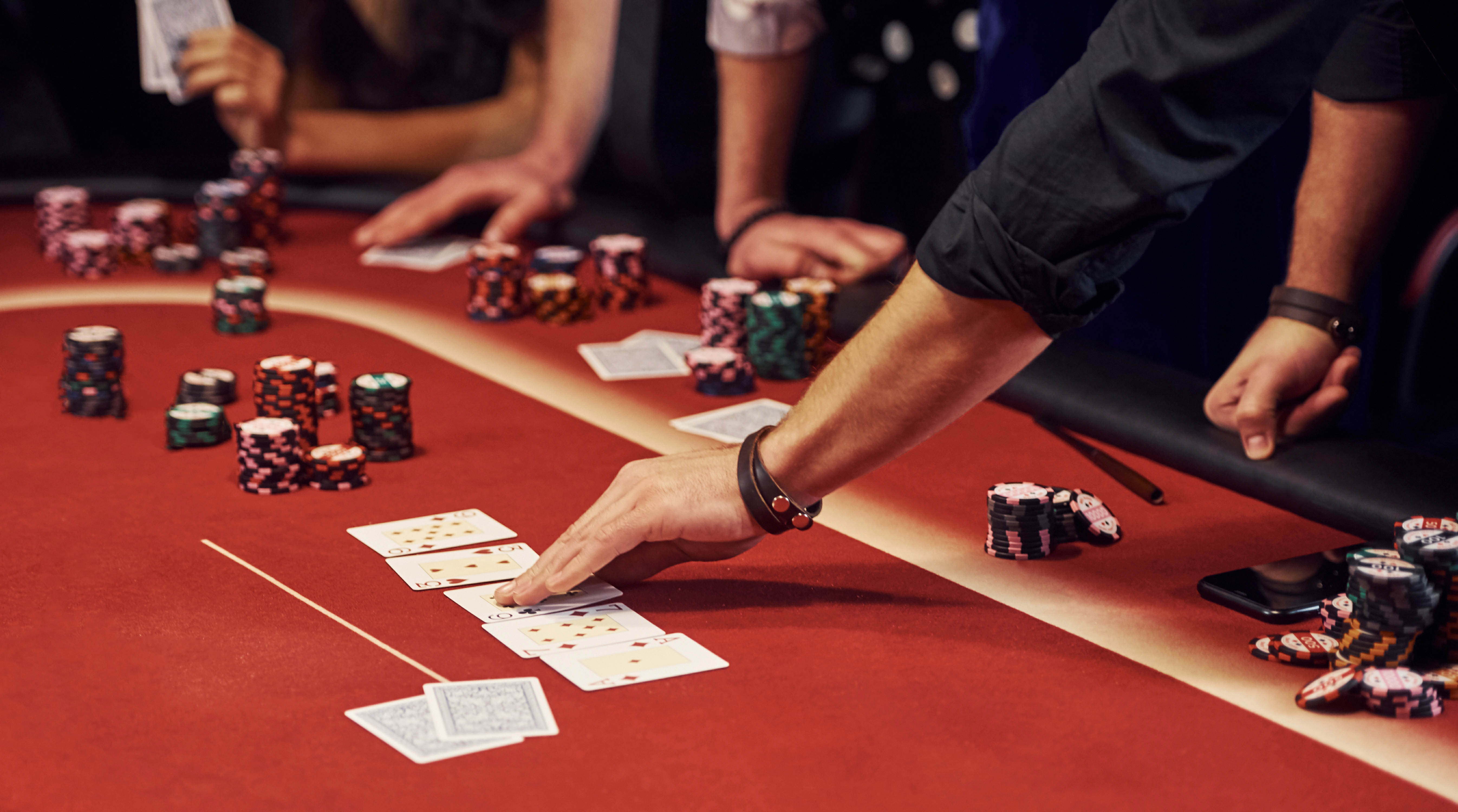
Common questions from card room operators and stakeholders.
No. Surfbreak titles use pooled, player-versus-player wagering. The facility typically earns through time collections or seat fees—not by taking the other side of the bet.
Rounds are shorter, with fewer betting decisions and faster resolution than traditional full-street poker formats.
Yes. Complete rules, procedures, and supporting analysis can be provided for regulatory or management review—start with the contact form.
Tell us about your room, timeline, and which title you want to evaluate first. We will follow up by email.
Contact